Spring: wake up the system
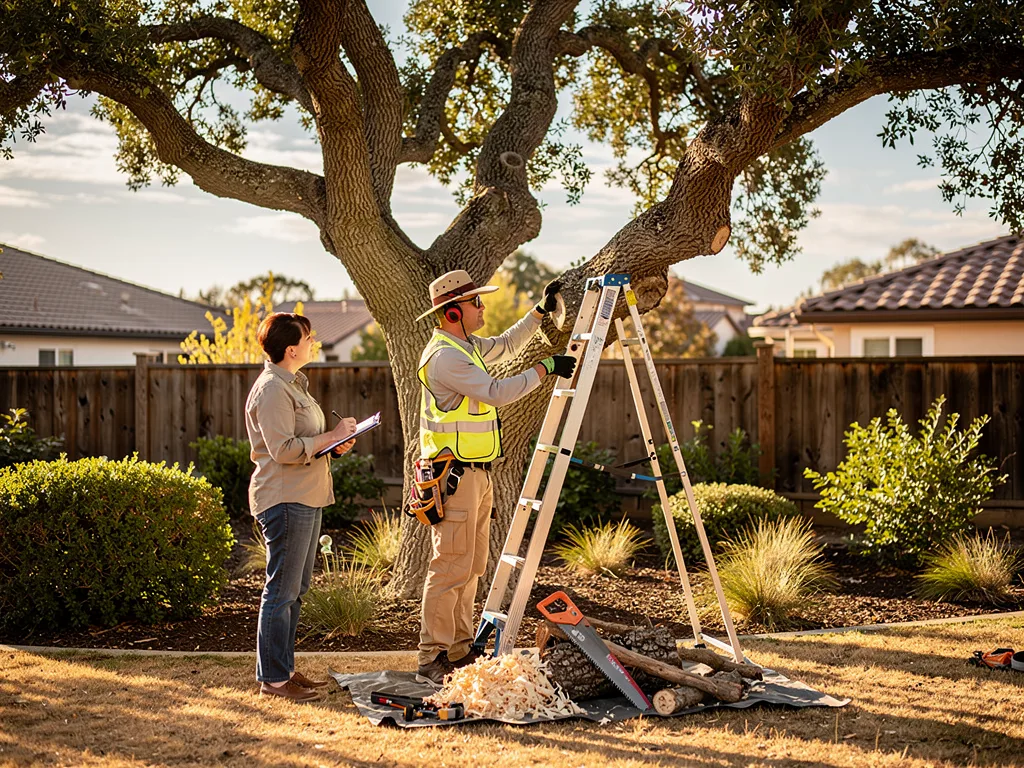
As storms ease, it’s a good time to reset soil and prune for structure. Remove weak, crossing, or crowded limbs that rub against each other. We also check the soil around the root flare for compaction and loosen it gently if needed. Mulch in a shallow ring about 2 to 4 inches deep, keeping mulch away from the trunk to prevent moisture buildup at the bark. In Thousand Oaks, this care helps roots recover after the winter and prepares trees for the hotter months ahead.
Summer: protect from heat and drought
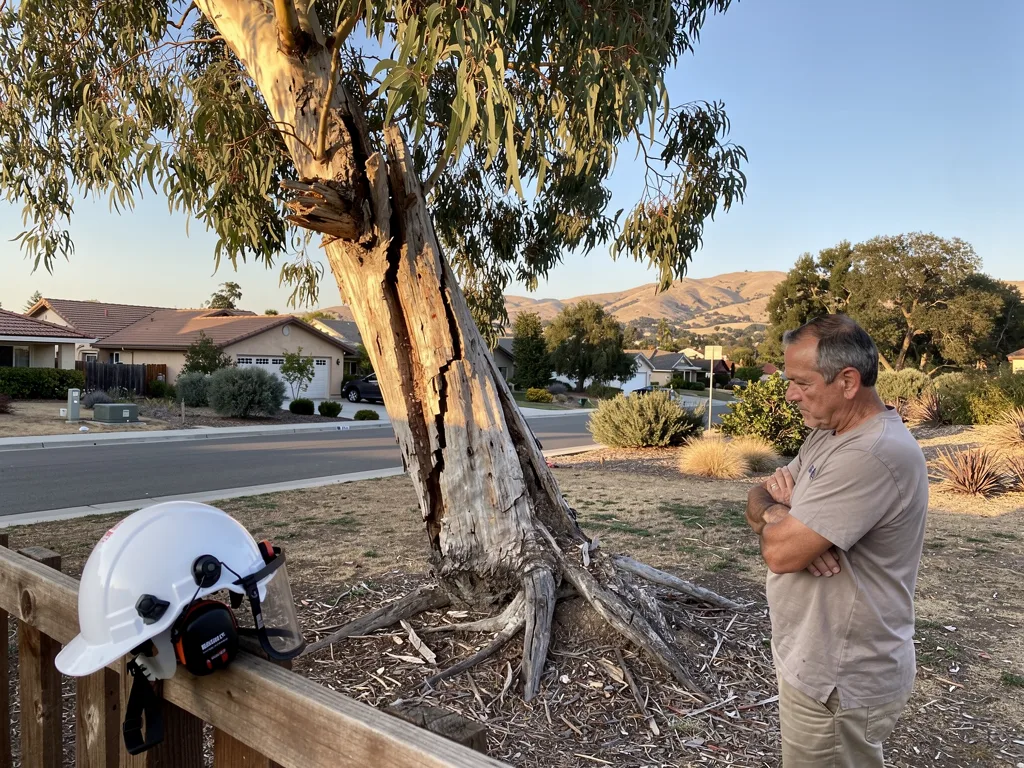
Summer stress shows up as drought symptoms or leaf scorch. We’ll assess irrigation patterns to ensure the tree gets water where it needs it most, near the root zone. A slow, deep soak is better than quick, surface watering. We also check for signs of sunburn on the trunk and thin crown growth, adjusting pruning to improve airflow and reduce wind resistance. If you notice cracking or splitting branches, call a tree care specialist quickly.
Fall: prepare for wind and rain
Fall in Thousand Oaks can bring gusty winds and brief heavy rain. We’ll review structural integrity and remove any deadwood that could become projectiles. It’s a good time to align supports for weaker limbs and ensure the canopy isn’t overloaded with fruit or dense growth. Roots appreciate a calm retreat as the soil cools, so we’ll tune irrigation to reduce soil oversaturation while keeping moisture available for the tree’s health.
Winter: plan and maintain
Cold snaps are rare but possible. We inspect trunk and root collars for cracks, and we schedule pruning to shape growth for the next season. A light hands-on approach now saves more extensive work later. For trees near structures or walkways, check for shifting soil or settling that could affect stability.
A practical approach from a Thousand Oaks tree care specialist
Regular, small checks beat big problems. Our crew keeps a simple calendar: a quick spring structural pass, a summer moisture check, a fall tidy-up, and a winter inspection. We tailor the plan if your yard has drought-tolerant oaks, California sycamores, or fruit trees common to the Conejo Valley. The goal is clear: safe, healthy trees that fit your home and your landscape.