Spotting warning signs before damage happens
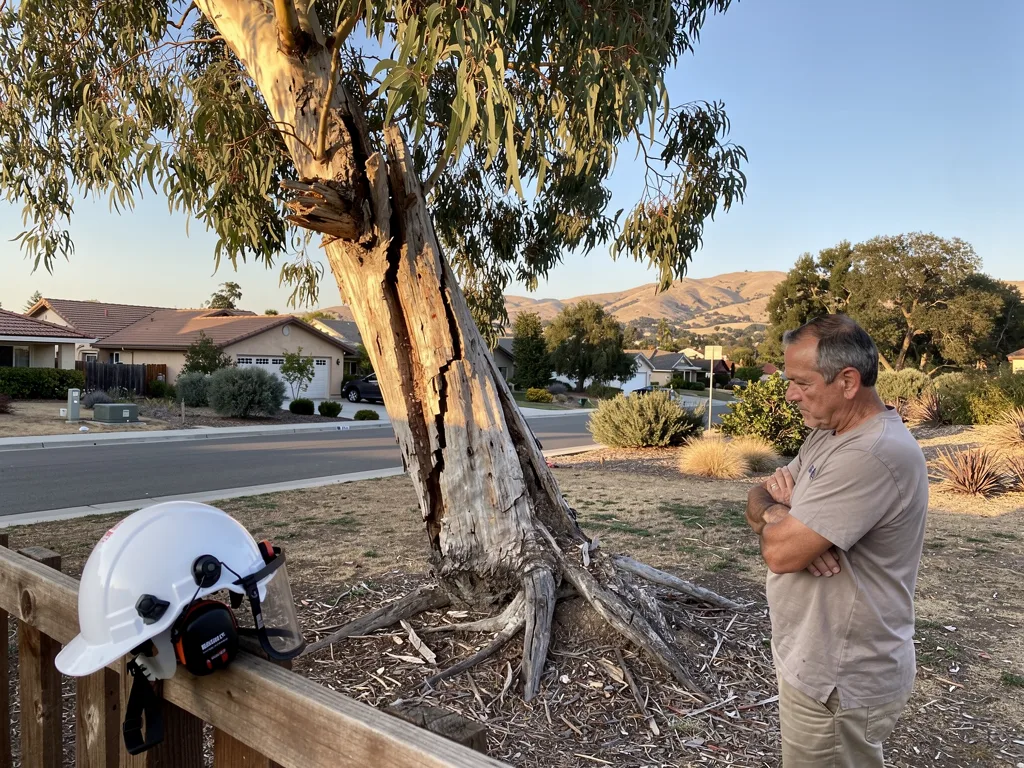
In Thousand Oaks, the dry Santa Ana winds and heavy winter rains stress trees. The first clue is a tree that leans more than it did last season, or a trunk that looks cracked or hollow at the base. Our team notices bark that peels like stringy ribbons, cavities visible in the trunk, or deadwood that breaks away without warning. These are not cosmetic issues; they can become hazards in a windy afternoon or an unexpected rainstorm.
Another telltale sign is fungal growth at the base or on exposed roots. If you see mushrooms sprouting at the tree’s base, that can indicate internal decay. In some cases, you may notice cracks radiating from the trunk or branches that suddenly sag under weight. A tree care specialist will assess the structure, root health, and soil conditions to determine if pruning, bracing, or removal is needed.
Why these signs matter in Thousand Oaks’ climate
Thousand Oaks experiences a mix of dry summers and wet seasons. This cycle can weaken trees gradually. A weak branch can fail during a wind gust, and a compromised trunk may fail in a storm. Identifying issues early helps protect your home and keeps your landscape safe for kids and pets. The goal isn’t to scare you but to prevent damage before it happens.
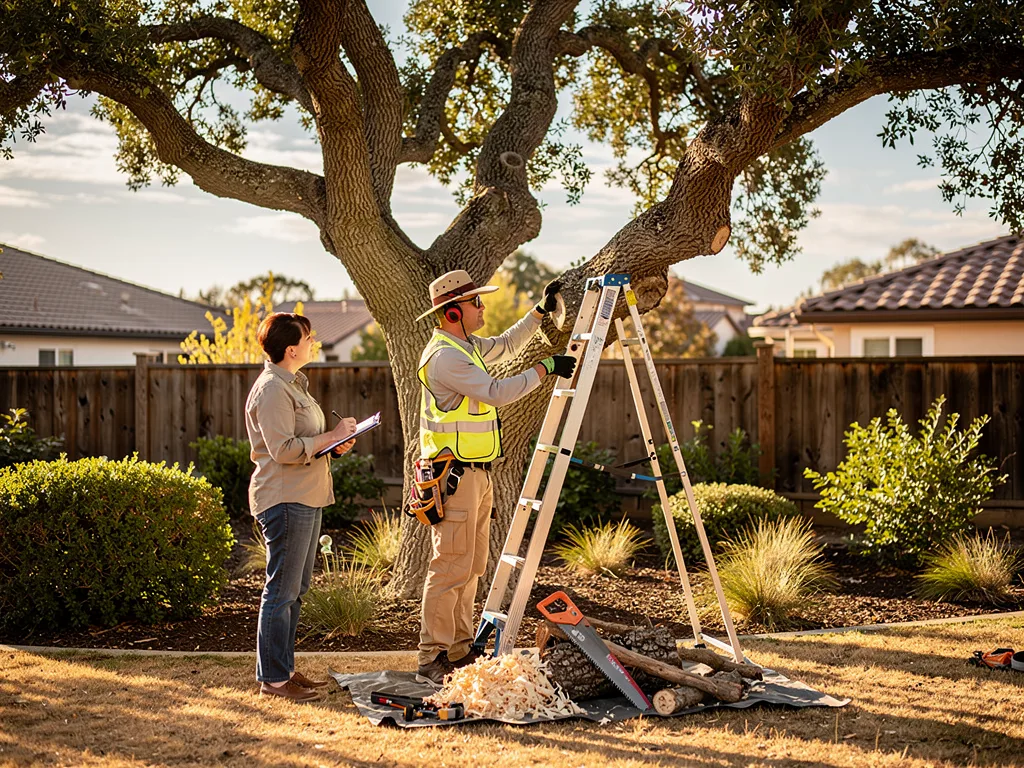
Our crew uses practical tests to gauge risk. We look for dead or hanging limbs, assess land around the tree for soil erosion, and check soil moisture. The outcome might be a scheduled pruning, a support system for vulnerable limbs, or a plan to remove a hazardous tree with care.
What to do if you suspect trouble
Start with a careful outside inspection. Note the location of any cracks, changes in lean, or unusual sounds in the tree during wind. Then call a tree care specialist for a professional assessment. We’ll walk your property, explain what we see in plain terms, and outline safe options. When in doubt, schedule a standard evaluation so a trained eye can confirm the underlying condition.
We’ll tailor the next steps to your yard. If pruning is enough, we’ll remove only the needed limbs and preserve the tree’s health. If more work is required, we’ll discuss a plan that keeps safety and aesthetics in mind.